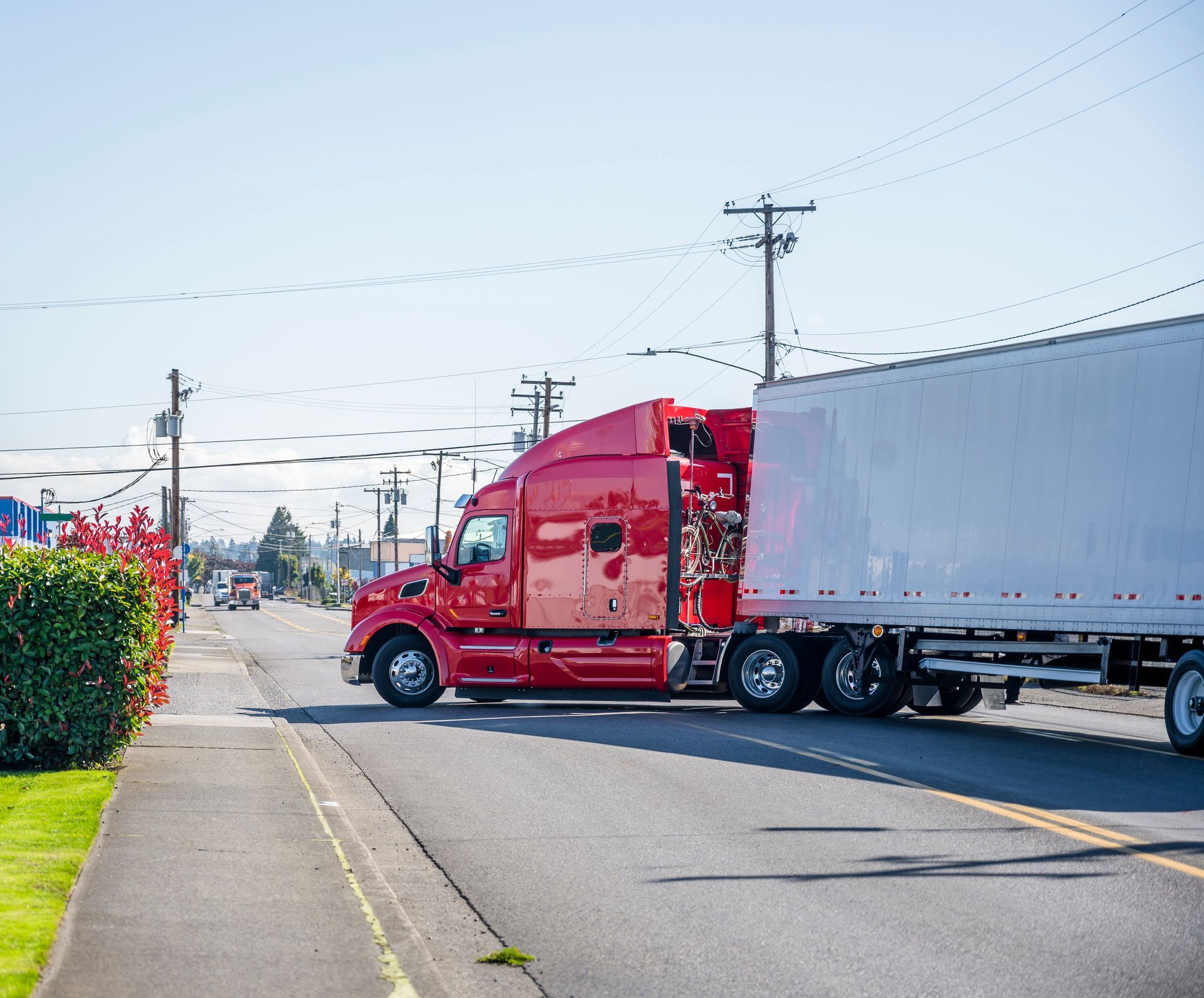

HOW TO PROVE TRUCK NEGLIGENCE AFTER A CRASH
A collision with an 80,000-pound commercial truck can change a family’s financial future in seconds. Knowing how to prove truck negligence is not just a legal question - it is often the difference between an insurance company minimizing your claim and being held accountable for the full harm caused.
Truck accident cases are rarely as simple as one driver blaming another. The truck driver, trucking company, cargo loader, maintenance provider, broker, or vehicle manufacturer may all have played a role. Serious injuries need serious investigation, and the evidence that reveals what happened can disappear quickly.
What Must Be Proven in a Truck Negligence Claim?
Negligence means someone failed to use reasonable care and that failure caused an injury. In a South Carolina truck accident case, the injured person generally must show that the responsible party had a duty to act safely, breached that duty, and caused damages as a result.
For a truck driver, the duty may include following traffic laws, obeying hours-of-service limits, inspecting the vehicle, driving at a safe speed, and avoiding distractions or impairment. For a trucking company, the duty can extend further. The company may be responsible for hiring qualified drivers, conducting background checks, training employees, maintaining equipment, supervising drivers, and complying with federal and state safety requirements.
The final piece is damages. Medical bills, lost income, future treatment, physical pain, emotional trauma, disability, and damage to your vehicle can all be part of a claim. In a fatal crash, surviving family members may also have a wrongful death claim.
Evidence That Can Prove Truck Negligence
The strongest truck accident cases are built on evidence, not assumptions. A police report is a useful starting point, but it is rarely the whole story. The report may identify traffic violations, witness statements, road conditions, and initial opinions about fault. It may not uncover whether a driver had been on the road too long, whether the brakes were poorly maintained, or whether the trucking company ignored warning signs.
The Truck’s Electronic Data
Many commercial trucks carry electronic control modules, event data recorders, dash cameras, GPS systems, and electronic logging devices. These systems can show the truck’s speed, braking activity, steering input, driving hours, route, and the moments before impact.
This information can be critical when a driver claims they were traveling safely or had no time to react. For example, data may show the truck was speeding into stopped traffic, failed to brake until the last second, or had been driven beyond legal service limits.
Trucking companies may not preserve this information indefinitely. An attorney can send a preservation letter demanding that the company retain the truck, onboard data, driver logs, inspection records, and other evidence. Waiting too long may give the other side an opportunity to lose, overwrite, or destroy evidence that could prove your case.
Driver Records and Hours-of-Service Logs
Truck drivers are subject to rules intended to reduce fatigue. A tired driver may miss traffic slowing ahead, drift across lanes, or make a poor decision at an intersection. Hours-of-service logs can reveal whether the driver exceeded permitted driving time or falsified records to meet an aggressive delivery schedule.
The driver’s employment file can matter as well. It may contain training records, prior crashes, safety violations, drug and alcohol testing records, medical certification information, and disciplinary history. A company that hired or kept a dangerous driver on the road may share responsibility for the crash.
Maintenance and Inspection Documents
A commercial truck must be inspected and maintained. Worn tires, defective lights, brake failures, steering problems, unsecured cargo, and trailer defects can turn an avoidable problem into a catastrophic collision.
Maintenance invoices, inspection reports, repair histories, and roadside violation records can help show whether a known problem was ignored. If equipment failure contributed to the crash, the trucking company, a maintenance contractor, or another business involved in the truck’s operation may be liable.
Crash Scene Evidence and Witnesses
The scene changes fast. Vehicles are moved, debris is cleared, weather shifts, and witnesses go home. Photos of vehicle damage, skid marks, debris fields, traffic signals, road conditions, and visible injuries can preserve details that later become disputed.
Witness testimony can also be powerful. A neutral driver who saw a truck run a red light, follow too closely, drift between lanes, or strike another vehicle may provide evidence the trucking company cannot explain away. Nearby business cameras, traffic cameras, and residential security cameras may have recorded the crash or the roadway immediately beforehand.
Common Forms of Truck Negligence
Truck negligence can take many forms. Some cases involve an obvious driving error, such as speeding, tailgating, failing to yield, or making an unsafe lane change. Others involve business decisions made far from the crash scene.
Common examples include distracted driving, driving while fatigued, impaired driving, overloaded trailers, improperly secured cargo, inadequate driver training, negligent hiring, skipped maintenance, and pressure to meet unrealistic delivery deadlines. A trucking company may argue that its driver was an independent contractor. That label does not automatically end the inquiry. The company’s control over routes, schedules, equipment, safety practices, and day-to-day work can still be relevant.
Why Insurance Companies Fight These Claims
Commercial trucking policies often carry substantial coverage because trucks cause severe damage. That also means trucking insurers have strong incentives to limit what they pay. They may send investigators to the scene quickly, contact you before you understand the extent of your injuries, or argue that you were partly at fault.
Do not assume an early settlement offer reflects the true value of your claim. A back injury, brain injury, or spinal condition may require treatment long after the emergency room visit. Accepting money before you know the medical outlook can leave you responsible for future costs.
South Carolina follows a modified comparative negligence rule. In general, an injured person may recover damages if they are not more at fault than the other party or parties, though their recovery can be reduced by their share of fault. Because fault can directly affect compensation, insurers often look for ways to shift blame. Clear evidence protects you from unfair accusations.
Steps to Take After a Truck Accident
Your first priority is medical care. Some injuries, especially concussions, internal injuries, and soft-tissue damage, are not fully apparent at the scene. Follow through with recommended treatment and keep records of appointments, prescriptions, work restrictions, and out-of-pocket costs.
Avoid giving a recorded statement to the trucking company’s insurer before you understand your rights. Do not post details, photos, or opinions about the crash on social media. Preserve what you have: photographs, videos, the police report, contact information for witnesses, damaged personal property, and notes about how your injuries affect daily life.
A truck accident attorney can investigate before the evidence disappears, identify every potentially responsible party, coordinate expert analysis when needed, and calculate damages beyond the first stack of medical bills. Beach Injury Lawyers represents injured people across Myrtle Beach and surrounding South Carolina communities, with the focus where it belongs: protecting your claim while you focus on recovery.
How to Prove Truck Negligence When the Facts Are Disputed
The other side may say the truck driver had no choice, that weather caused the wreck, or that another motorist created the emergency. Those arguments must be tested against the physical evidence, electronic data, driver records, and independent witness accounts.
A careful investigation can reconstruct the collision and expose inconsistencies. If the truck was traveling too fast for wet roads, if the driver’s log conflicts with GPS data, or if a company failed to repair a documented brake problem, those facts can establish negligence even when the driver denies wrongdoing.
You do not need to carry the legal burden alone while you are hurt, missing work, and facing bills. The sooner evidence is protected and the right questions are asked, the stronger your ability to demand fair compensation can be. If a truck crash has disrupted your life, seek experienced legal guidance promptly and let someone fight for the answers you deserve.